Teachers’ voices reveal resilience amid West Nile’s education challenges
 Timothy Murungi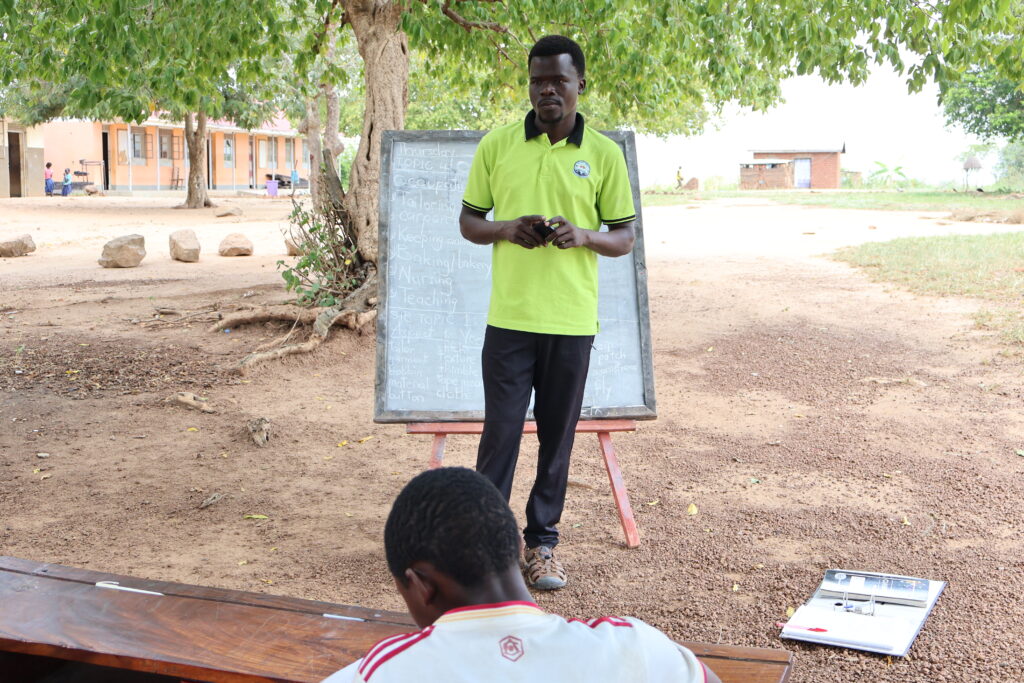
For teachers in some schools across Uganda’s West Nile region, staying in the classroom is increasingly a matter of commitment rather than financial reward.
Interviews with teachers in public, community and church-founded primary schools in Madi Okollo, Yumbe and Terego districts reveal a profession sustained by dedication, peer support and a desire to educate children, even as poor pay, inadequate accommodation, limited teaching resources, insecurity and strained relationships with communities take a toll on teacher wellbeing and retention.
The interviews were conducted as part of the Regional Teachers Initiative for Africa (RTI), a research project examining the drivers of teacher wellbeing and retention in contexts of protracted violence and displacement.
At Obujo Primary School in Madi Okollo, teacher Pama Eric says teaching can be rewarding for those who see it as a calling, but difficult working conditions can eventually push even committed teachers away.
“The teaching profession is a very interesting thing, especially when you have the calling,” Pama says. “But it is also sometimes, even if it is very interesting and you have the calling, sometimes there are other factors that can push somebody out.”
Pama, who began teaching in 2020 and recently became a teacher on government payroll after some years in private schools, says teachers often have to rely on one another to cope with the challenges of working in remote schools. A teacher learning circle, he says, has helped him bridge the gap between what he learnt during training and what he encountered in the classroom.
“Those who had been in the field before were able to help; actually, they were like mentors,” he says, explaining how experienced teachers guided newly recruited colleagues.
But Pama says the conditions can be discouraging. At the school, teachers face a severe water shortage, with the nearest reliable source several miles away. Of the eight classrooms, some are being used to accommodate teachers because the school has only one staff house.
“Those other classrooms are being used by the teachers for accommodation,” he says. “Why? Because there is only one staff accommodation.”
For some teachers, the pressure has already resulted in permanent departures from the profession.
Pama recalls a colleague who left teaching after the COVID-19 lockdowns. With schools closed and private-school teachers struggling financially, she began selling food and other small items. When schools reopened, she chose to continue with the business rather than return to teaching.
“She told me, ‘If I remember how I was paid there, and sometimes the stress I got from the work environment… now here I’m managing my own self. So it is better I remain here than I go back,’” Eric recalls.
When contracts end
The withdrawal or reduction of NGO-funded teacher support has added another layer of uncertainty, particularly in refugee-hosting communities.
At Longamere Primary school in Terego district, teacher Ladu Charles has watched his school’s staffing collapse in real time. The school once had 52 teachers; today it has 15. Of those, nine are paid by an NGO and six survive on PTA contributions.
Ladu himself is one of them. His NGO contract ended in 2024 and for the past two years he has worked “as a volunteer teacher who is being paid by the PTA.” The difference in pay is stark: under the NGO contract, he explained, his net pay was 271,000 shillings a month, with NSSF contributions on top and pay continuing through school holidays. Under the PTA, he now receives roughly 200,000 shillings — and only for the months school is actually in session, effectively squeezing a year’s income into about eight months of pay.
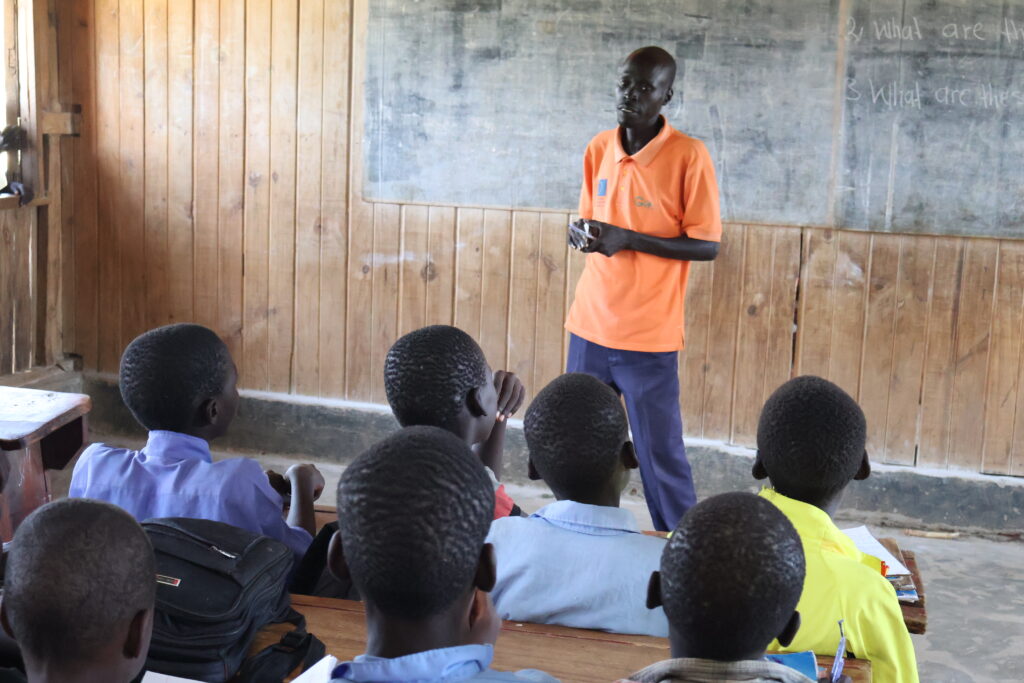
“Everybody lost interest because they were being getting paid by the NGO,” Ladu says, describing the mood after the NGO exit. The loss of externally funded teachers has consequences beyond individual livelihoods. Ladu says the school, which has an enrolment of 2,549 learners, has been left with fewer teachers to serve a large population of children.
The same story repeats itself at Kiridaku Primary School in Terego, where senior woman teacher Asibazuyo Jane Peace has taught for 22 years. She once had six colleagues on Windle contracts. Two left when their contracts expired last year; the remaining four lost theirs this year “because of the financial constraints we faced by the NGOs,” she said. That has left just seven teachers, including the head teacher, to run the entire school. “Six of us cannot handle seven classes,” she said. “That’s a great problem.”
‘We love teaching’
Despite the difficulties, many teachers interviewed did not describe teaching simply as a job.
At Kiridaku Primary School, Abindu Israel, who has taught for 26 years, says the profession has remained important to him because of the opportunity to help children build their future.
“For me as a teacher… remaining as a teacher is my profession. I love teaching, helping others to get their future,” he says.
Abindu says low pay, large classes and loans are among the pressures facing teachers. He also questions a system in which teachers with different levels of training and qualifications may feel inadequately differentiated in their pay. “A grade three teacher is paid the same [as a] grade five, paid the same [as a] degree, paid the same [as a] masters,” he said — a flattening that he believes drains any incentive to stay.
At Apple Army Boarding Primary School in Yumbe, senior male teacher Safi Codebax similarly says teachers who are employed through organisations face particular uncertainty when projects end.
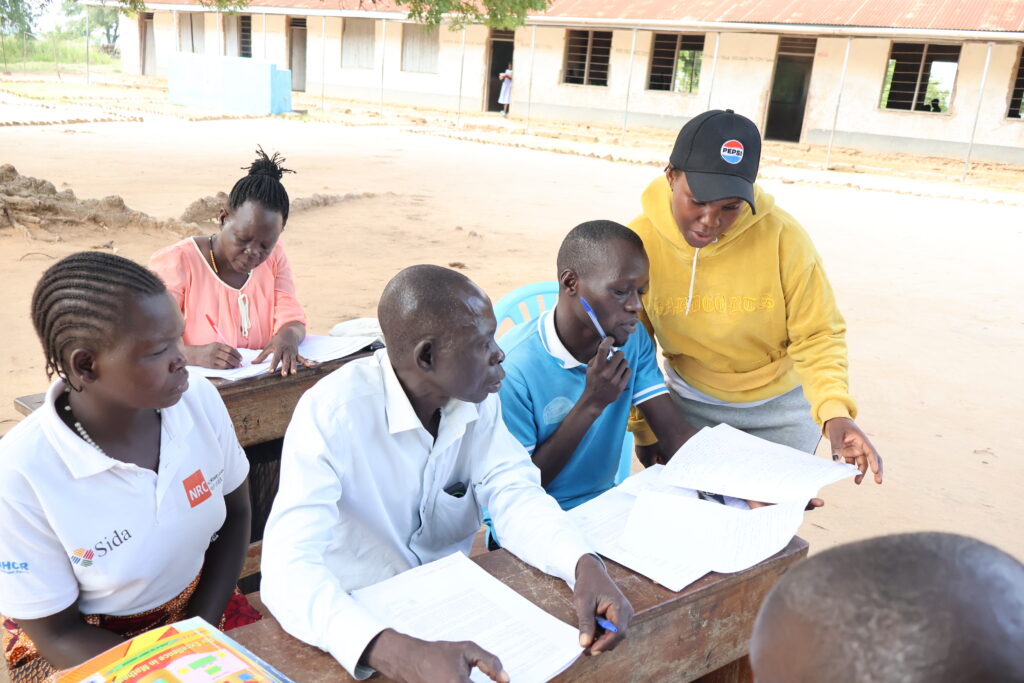
Yet Apple Army also illustrates the value of teacher support systems. Peer supervision and teacher learning circles help teachers prepare lessons, develop instructional materials and support colleagues who need assistance.
Codebax says teacher wellbeing should include accommodation, welfare, psychosocial support and continuous professional development.
“A teacher cannot go into class with psychological problems,” he says. “They may have some; they need some psychosocial support.”
Accommodation is more than a convenience
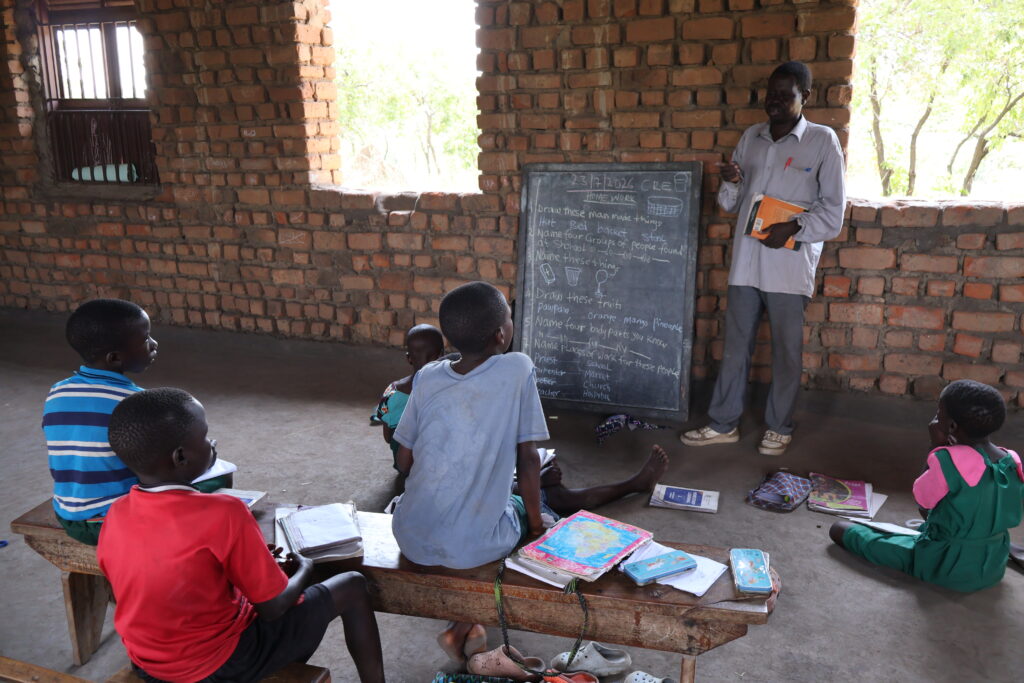
Almost every teacher interviewed raised accommodation as a defining hardship. At Obujo Primary School, teacher Pama Eric said the school has only one staff house, forcing teachers to use ordinary classrooms as bedrooms. The school’s water source is a stream, but with dirty water. Safe water and social amenities are a gruelling trek of several kilometers away. Pama explained that these punishing conditions in Madi-Okollo drive newly transferred teachers to reject their postings outright. At Onyomu Primary School in Madi Okollo, teacher Aluayo Nobert says teachers are sometimes housed in poorly maintained structures.
“Teachers are poorly accommodated in grass-thatched houses which leak,” he says, adding that he knows of a teacher who left a school because of poor accommodation.
Teacher Sumbua Kalisumu, at East Koka Primary School in Yumbe described teachers as “congested in one room,” with no school-provided meals and no land to grow their own food, while separated for months at a time from children being raised elsewhere. “The rain will disturb this teacher at night,” she said of the housing. “The whole night.”
At Apple Army, senior woman teacher Aliru Sentina says teachers support one another professionally, particularly when a colleague has difficulty teaching a particular subject.
When the community becomes another pressure
The relationship between teachers and the communities where they work can also determine whether teachers stay. Several teachers described open hostility from the communities they serve.
At Onyomu Primary School, teacher Badeyo Robina says teachers face a lack of accommodation, destruction of crops by animals and what she describes as a negative attitude towards teachers.
She recounts the case of a teacher who had to rent accommodation in the community because the school had no houses. The teacher’s rented house was later set on fire.
“There are teachers who have been going through a lot of things here,” Badeyo says. “It has gone up to the extent where one teacher… was taken for a rent in the community side… where his house was set on fire.”
She says strained relationships with community members can make teachers feel unsafe and eventually decide to leave.
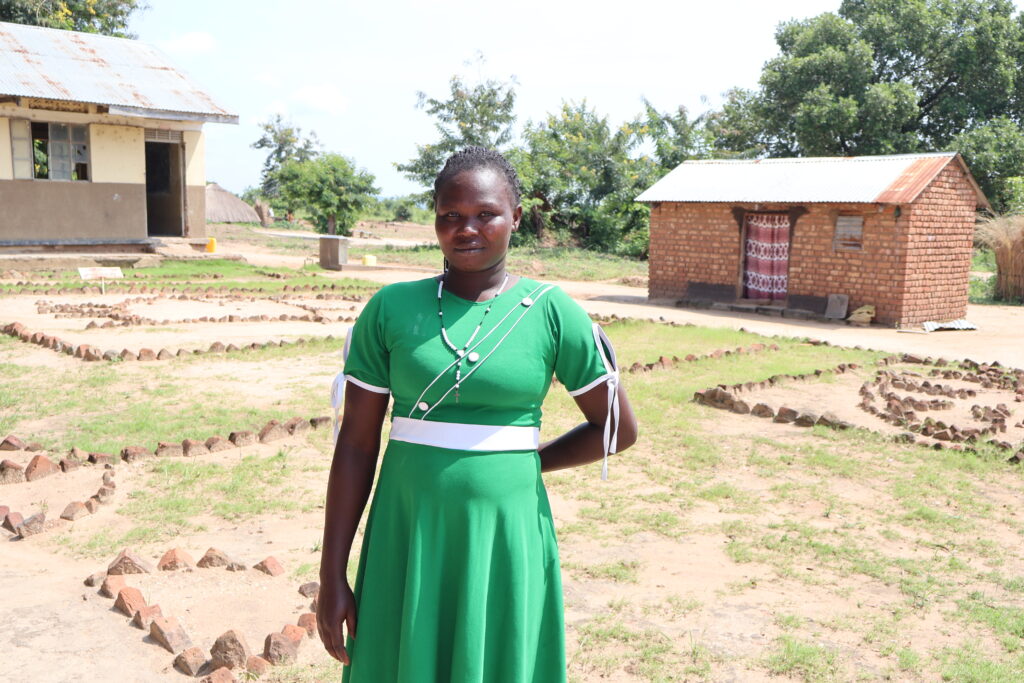
“When you are in a bad relationship with your neighbour, you’ll not feel comfortable where you are,” she says. “Even the work which you are supposed to do you will not do it in peace.”
At Geya Primary School in Yumbe, teacher Onzima Asiraku Noah says large enrolments compound the problem. “You find that there [are] more than 200 learners in a class,” he says, while noting that inadequate motivation and delayed allowances also affect teachers.
Holding the profession together
Yet amid the difficulties, teachers have developed informal systems to keep one another going.
At Onyomu, Aluayo describes colleagues pooling resources to help newly posted teachers who had not yet been placed on the payroll. Teachers also work together on lesson plans and schemes of work, encourage one another and, in some cases, provide land where colleagues can cultivate food.
“When a teacher had a problem, we just sit together and handle the issue,” he says.
At Geya, teachers share knowledge when a colleague struggles with a particular topic. At East Koka, teachers work together to prepare instructional materials and manage difficult learners. At Apple Army, peer support extends to personal and social occasions, with teachers contributing to help colleagues during bereavements and other family events.
These support systems appear to offer an important buffer against the pressures of teaching in difficult settings.
But teachers say informal support cannot replace adequate institutional support.
Simon Araku, a teacher at Apple Army who has been in the profession for 13 years, says teachers need better accommodation, improved welfare and stronger recognition.
“We teachers are ever crying of our wellbeing,” he says. “We normally look at ourselves being marginalized.”
Araku says teachers want their concerns to be heard because the profession plays a central role in the future of every community.
“There is in fact no one who can be… without going through a hand of a teacher,” he says.
The teachers interviewed do not appear to be asking only for higher pay. Their concerns cover accommodation, food, safety, professional development, psychosocial support, respectful leadership and stronger relationships with communities.
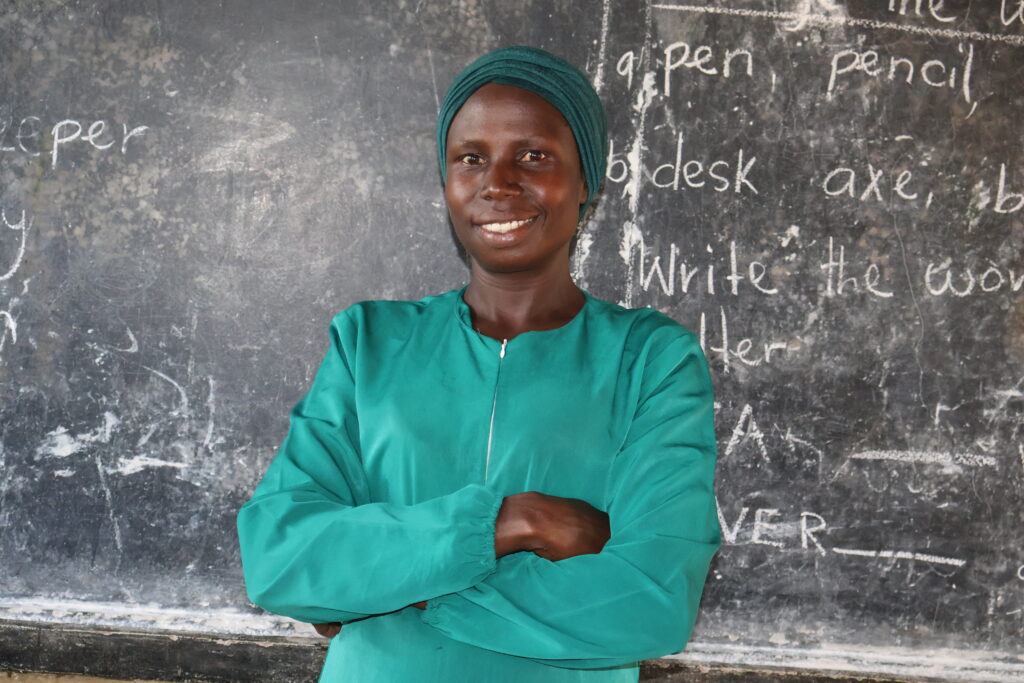
At Geya Primary School, Oleru Kubra says female teachers also depend on one another for practical and professional support.
Circles of Support
Amid the hardship, teachers pointed to one institution that has kept many of them going: the Teacher Learning Circle, an informal peer-mentoring structure that several schools have sustained despite losing almost everything else.
Pama credited his circle at both his current and former schools with mentoring him through subject changes and helping colleagues pool transport and cover school crises, including the loss of a head teacher. At Apple Army Primary, Safi Codebax said the circle trains teachers to make instructional materials and supervise one another’s lessons. Deputy teacher Aluayo described his school pooling money to support newly posted teachers before their first payroll arrived, and allocating land so teachers can grow food.
Peer support also shows up in smaller, human ways. At Apple Army, Ewanidonia Emily says colleagues rally around teachers facing bereavement or organising weddings — support that, for some, has softened the loss of institutional backing.
For teachers who have remained, love for the profession remains a powerful source of resilience.
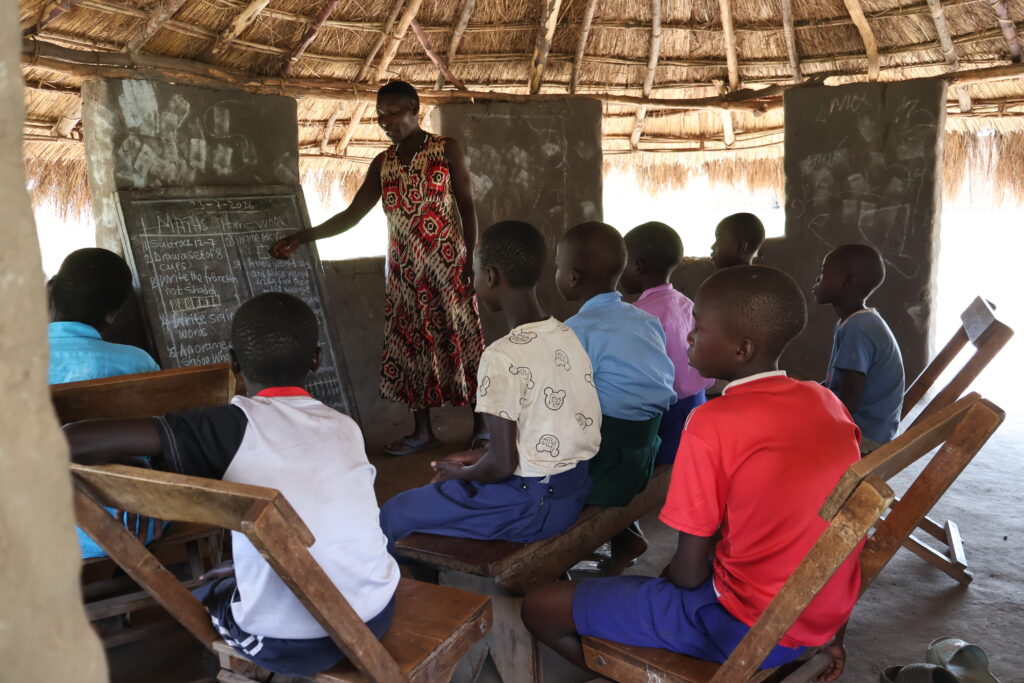
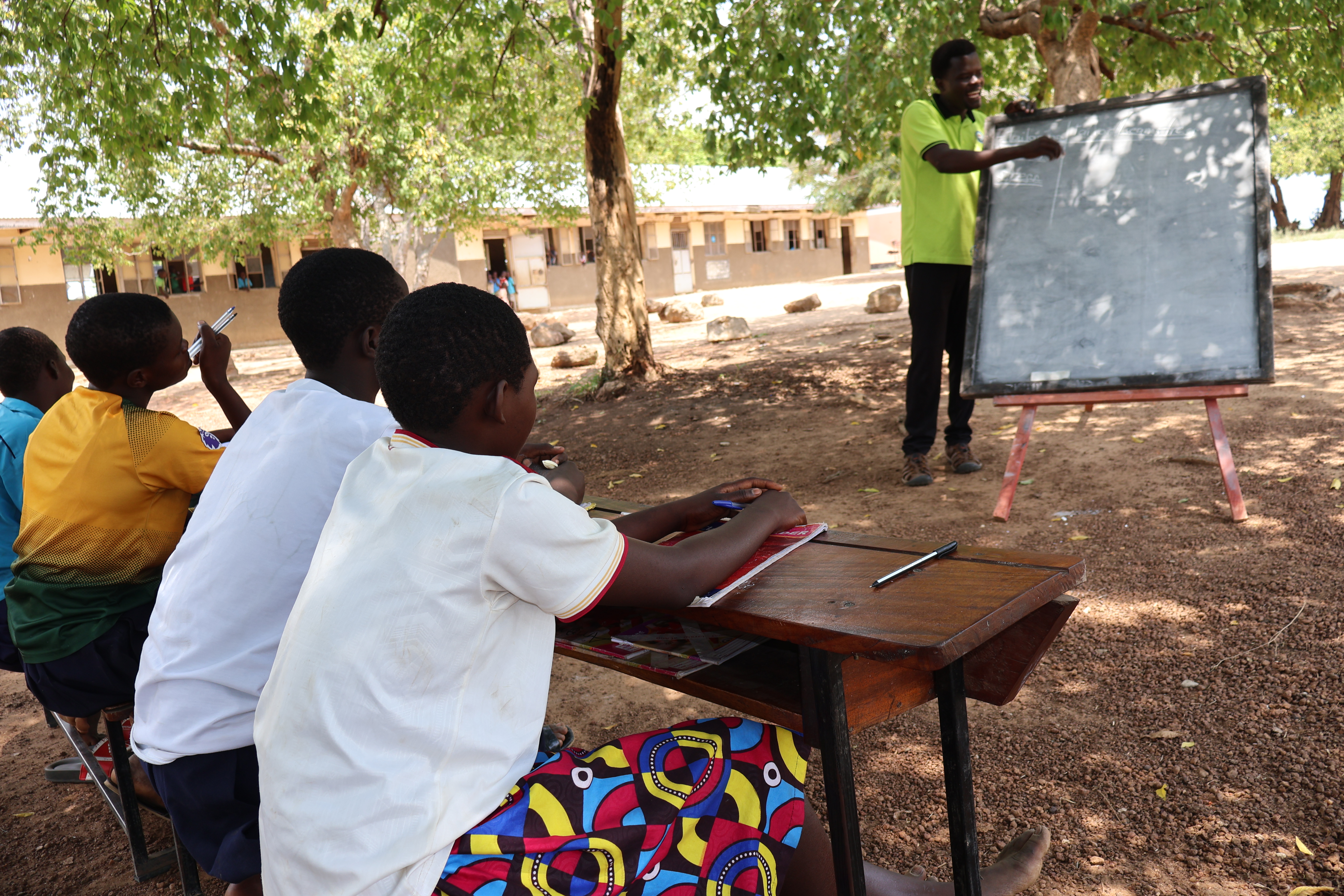
For teacher Dorothy Likicoru, who volunteers unpaid at Egiro Ayivi Primary School in Madi Okollo, the motivation is even starker: without her, there would be no teacher at all. She took up the role, she said, so the community’s children would “know how to write their name, their parents’ name” because, as several teachers put it in different words, if teachers do not do this work for the sake of it, in these communities, no one else will. Her pupils have no classrooms, either — lessons are held under trees or in halls that double as robing rooms for church leaders, because the church that donated the land never built a school structure on it.
But the interviews suggest that commitment alone has limits.
For the schools serving communities affected by displacement and other pressures, retaining experienced teachers is not simply about keeping workers in jobs. It is about ensuring that children continue to find trained adults in their classrooms.
The RTI research, teachers say, allows them to make those concerns heard.
For Abindu, the 26-year veteran teacher at Kiridaku, that is precisely why the research matters: “It will take teachers’ voice” to authorities so that the challenges facing them can be addressed.
The message emerging from the classrooms of West Nile is therefore clear: teachers are still showing up because they believe in what teaching can do for their communities. But sustaining that commitment will require more than dedication. It will require working conditions that allow teachers to live, work, and remain in the communities they serve.
The Drivers of Teacher Wellbeing and Retention in Contexts of Protracted Violence and Displacement research project, led by the Institute of Development Studies with partners including Luigi Giussani Foundation, Oxfam and Institut Supérieur Pédagogique de Bukavu (and supported by Finnish National Agency for Education), builds on these insights. Rather than focusing only on why teachers leave, the research examines how wellbeing can be supported and retention strengthened in crisis-affected regions of Uganda