Equipping teachers to help learners navigate life beyond the classroom
 Timothy Murungi
Uganda’s Ministry of Education and Sports is strengthening teachers’ capacity to help adolescents develop the skills they need to manage challenges, build positive relationships and make responsible decisions, with life skills training being taken to teachers in different parts of the country.
The training is part of the Uganda Secondary Education Expansion Project (USEEP), which seeks not only to increase access to secondary education but also to ensure that schools provide safe, inclusive and learner-friendly environments. Under Subcomponent 1.2, Ensuring Safe and Protected Children, the project seeks to strengthen child protection, prevent violence against children, support girls’ education and equip learners with life skills for school and life beyond the classroom.
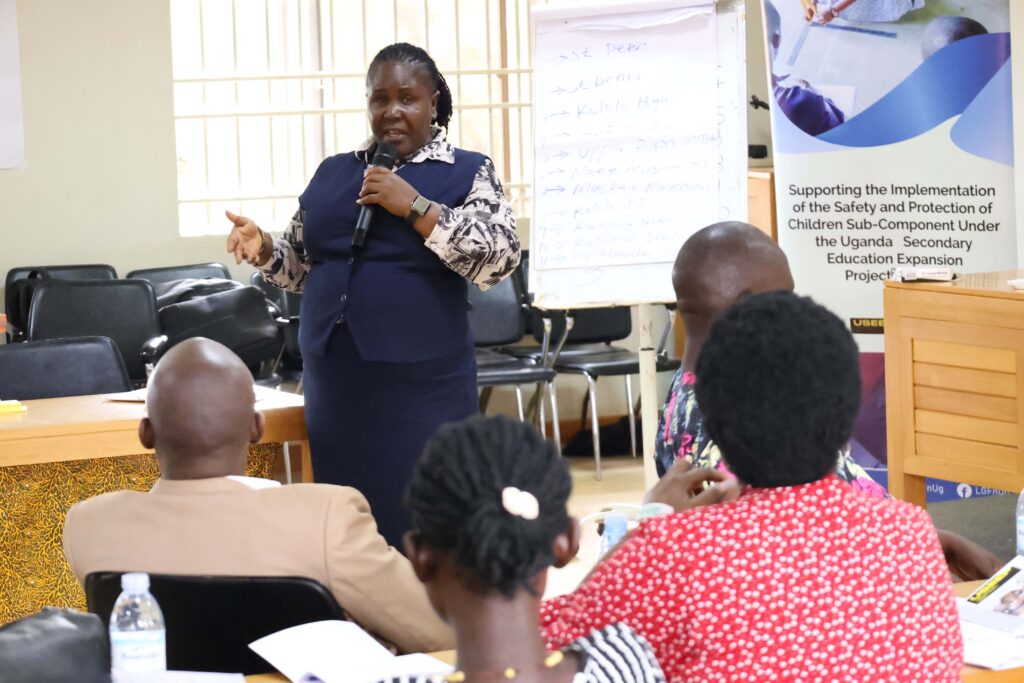
The Ministry, in partnership with Luigi Giussani Foundation (LGF) and Science Teaching and Innovations Africa (STIA), has been building the capacity of teachers who are directly responsible for learner welfare and support.
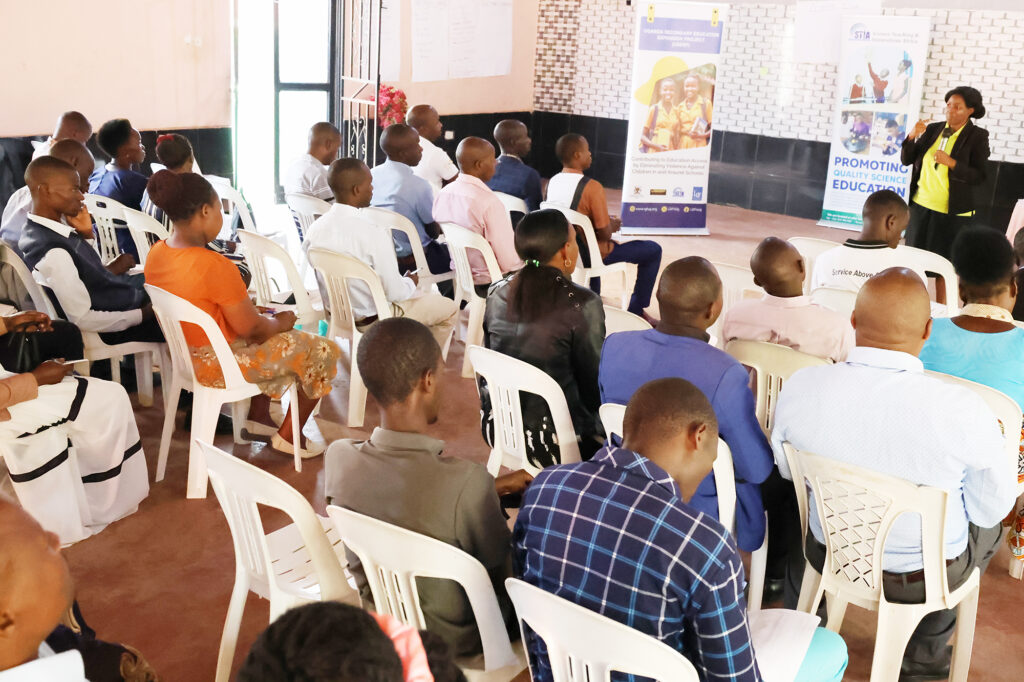
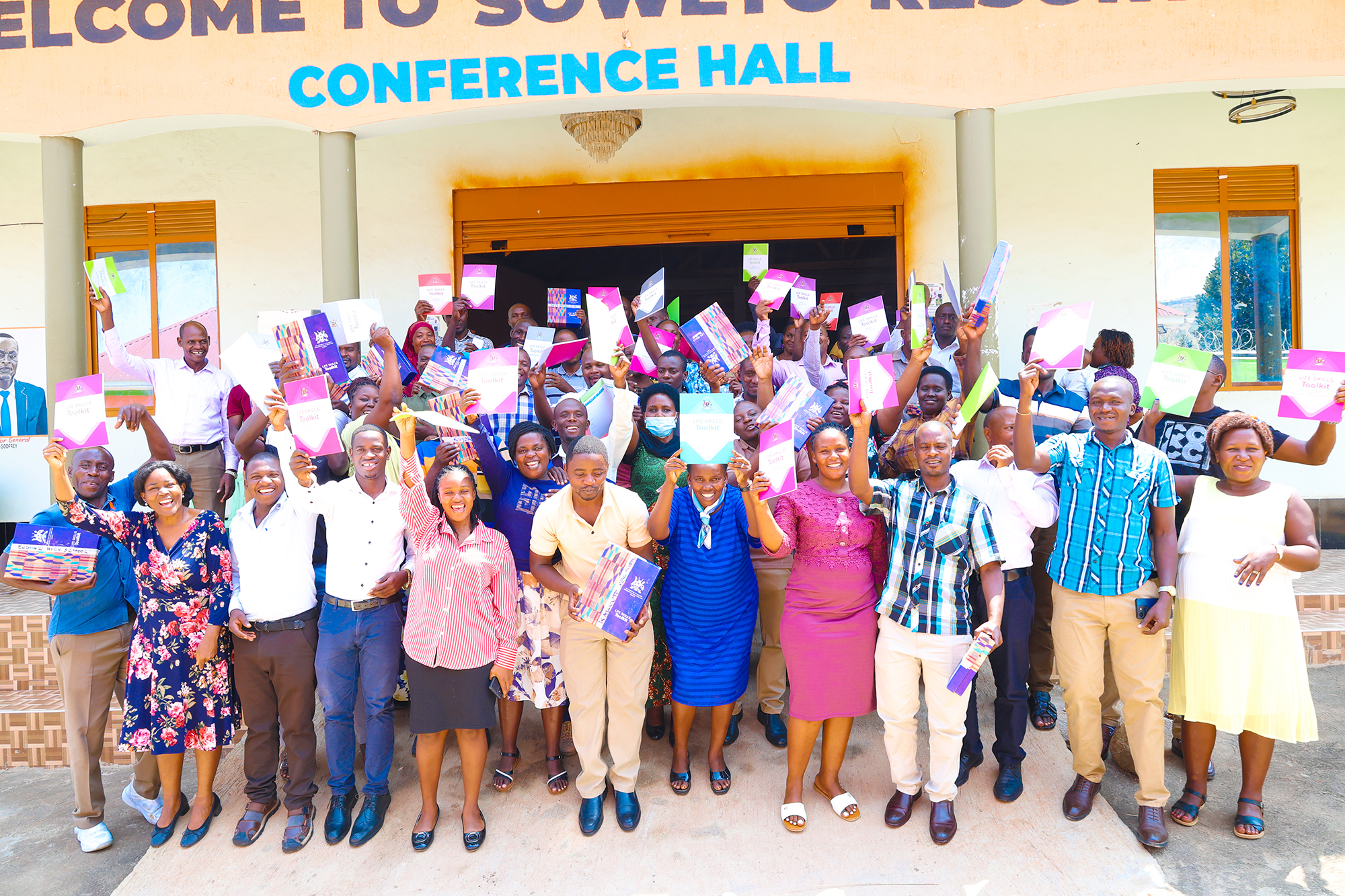
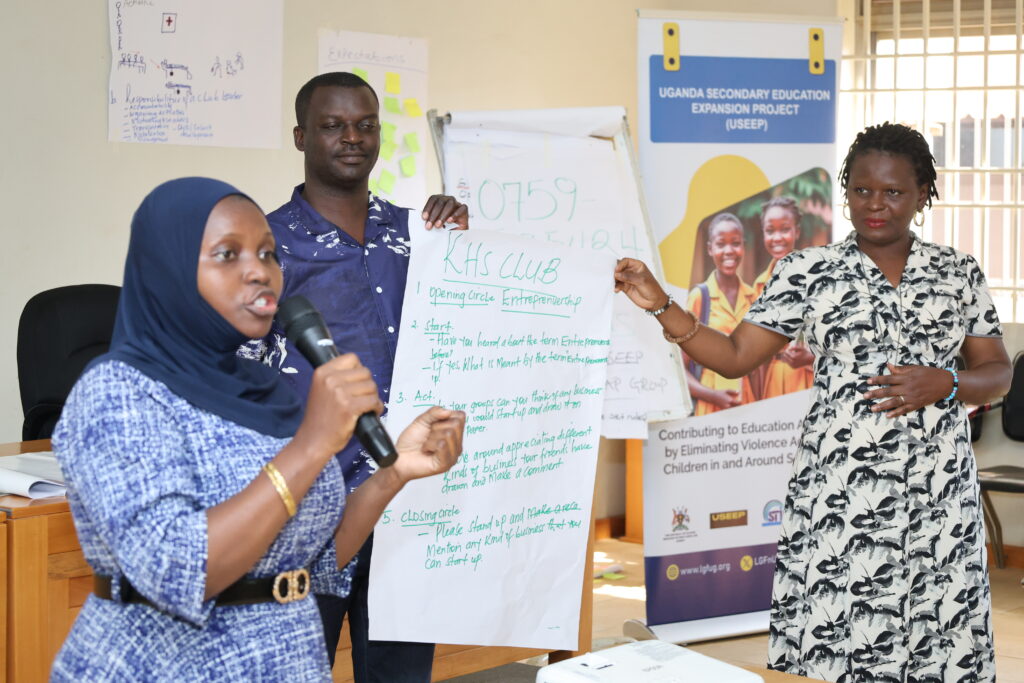
The training has been conducted in different settings, including Isingiro, where more than 60 teachers from 19 USEEP-supported secondary schools participated, and more recently at the Luigi Giussani Foundation offices in Luzira, where Senior Men Teachers, Senior Women Teachers and club patrons were brought together for a three-day training.
The participants are not classroom teachers alone. They are teachers who have responsibilities for student welfare, guidance and counselling, discipline, clubs and other activities that place them in regular contact with learners.
The Ministry’s Life Skills Toolkit provides the basis for the training. It covers competencies such as self-esteem, teamwork, critical thinking, stress coping, empathy, problem-solving, creativity and leadership. Teachers trained in cognitive, social and emotional skills.
USEEP intervention
Rosette Nanyanzi, a Gender Technical Advisor in the Ministry’s Gender Unit, said the reason for investing in these competencies is rooted in the realities facing young people.
“You see the issues now we have,” Nanyanzi told teachers. “Our young people are smoking so many things, including the known ones, weed.”
She said the challenges facing adolescents go beyond substance use.
The Ministry, she explained, has also been concerned about teenage pregnancy, child marriage, school dropout and low completion rates. “So, after COVID-19, as Ministry of Education, we sat and said, what can we do for the young people of this country?” she said.
Nanyanzi said the Ministry reviewed the materials it already had and brought them together into a Life Skills Toolkit that could speak directly to young people. The toolkit was launched in 2022 and has since been rolled out in different parts of Uganda.
The USEEP intervention is part of that wider effort. Nanyanzi said that expanding access to education without addressing the safety and wellbeing of learners would leave an important gap. “We cannot just expand when we are not taking care of the learners,” she said.
Her concern is that schools must respond to the circumstances in which young people are growing up. “The young people are just growing. They are not nurtured,” she said. “That is why, when they come to school, we expect that the school should be able to provide them with that kind of support that they have missed from their parents.” The teacher is, therefore, a critical part of the response.
She said teachers interact with learners every day and can therefore play an important role in identifying problems, providing guidance and connecting learners to support. But she also cautioned that teachers cannot effectively support young people if they themselves are not equipped with the necessary skills. “You cannot give what you don’t have,” she said.
That message has been reflected in the training approach. The teachers are not simply introduced to definitions of life skills. They participate in discussions, practical activities, case studies, role plays, experience sharing and action planning. The emphasis is on learning by doing.
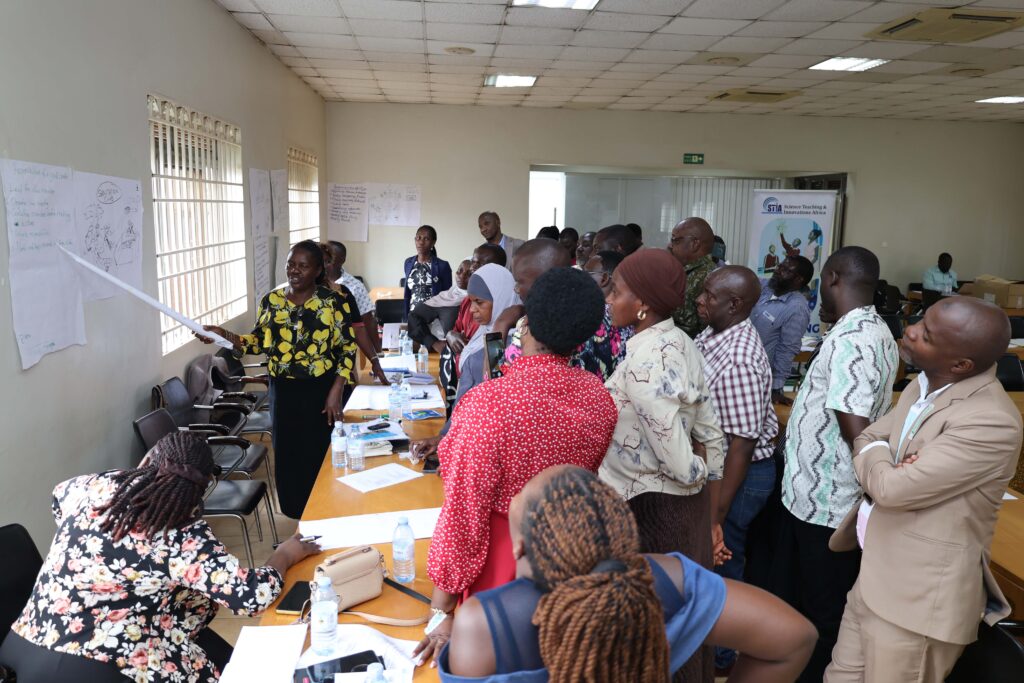
Learners to learn by doing
Joy Mukisa, a national life skills trainer, told participants that life skills competencies are necessary for everyone, not only adolescents. “Once we have understood the competencies, adolescents become better students; understanding competencies makes better teachers and better parents,” she said.
She encouraged teachers not to rush through the Life Skills Toolkit. “Let the adolescents do group work and present the work as suggested,” she said. “Through the group work, they will learn, for example, teamwork and expression.”
Pamela Namugobe, a co-trainer, made a similar point, explaining that life skills are best developed through learners’ experiences. “There is no way we can get students in a class and teach them life skills of cooperation and teamwork,” she said. Instead, she said, teachers should give learners activities that require them to work together. “When you give learners an activity, you will see them working together to come up with answers. Through doing the activity, the skills of cooperation and teamwork are developed,” she said.
The training has also allowed teachers to connect life skills to situations they encounter in their own schools. The training is therefore intended to create a multiplier effect.
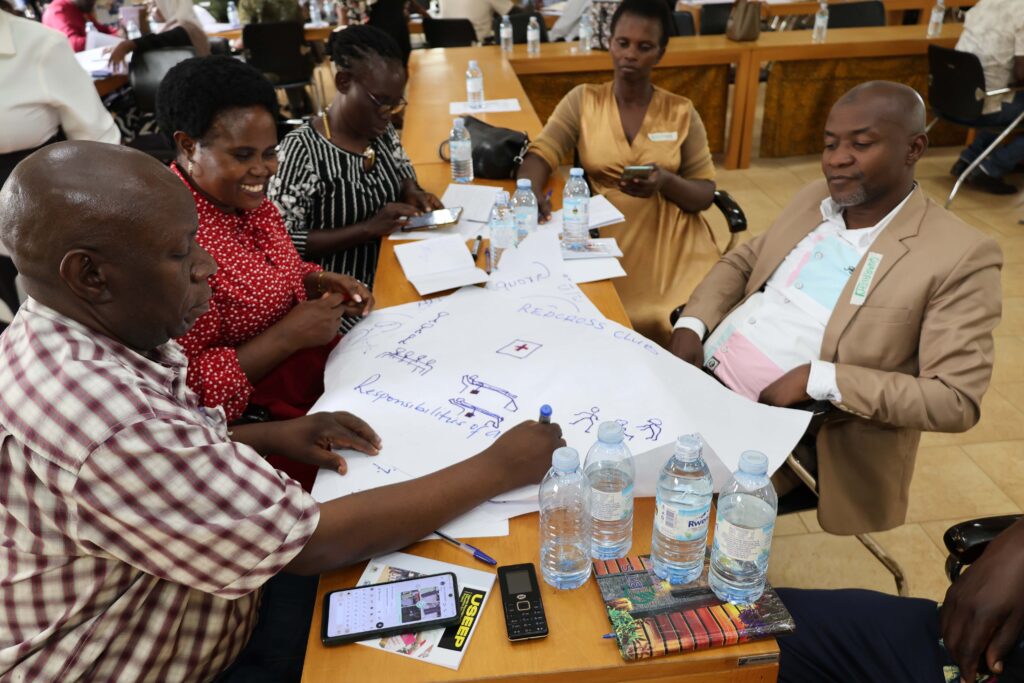
Teachers to cascade skills to learners
Rather than training teachers as an end in itself, participating schools are expected to take the knowledge back to their schools and cascade it to learners and other teachers.
Schools are expected to develop implementation plans that integrate life skills through classroom sessions, clubs, assemblies, mentorship activities and peer-support initiatives. The training is ultimately expected to strengthen child protection and student support systems while helping learners develop confidence, resilience, communication, leadership, decision-making, problem-solving and conflict-resolution skills.
It is also expected to contribute to safer learning environments, improved learner wellbeing, increased retention, particularly among girls, and better preparation for responsible citizenship, employment and entrepreneurship.
By strengthening teachers, the Ministry and its partners are seeking to move life skills beyond training rooms and into classrooms, clubs, assemblies and the everyday relationships through which young people learn.
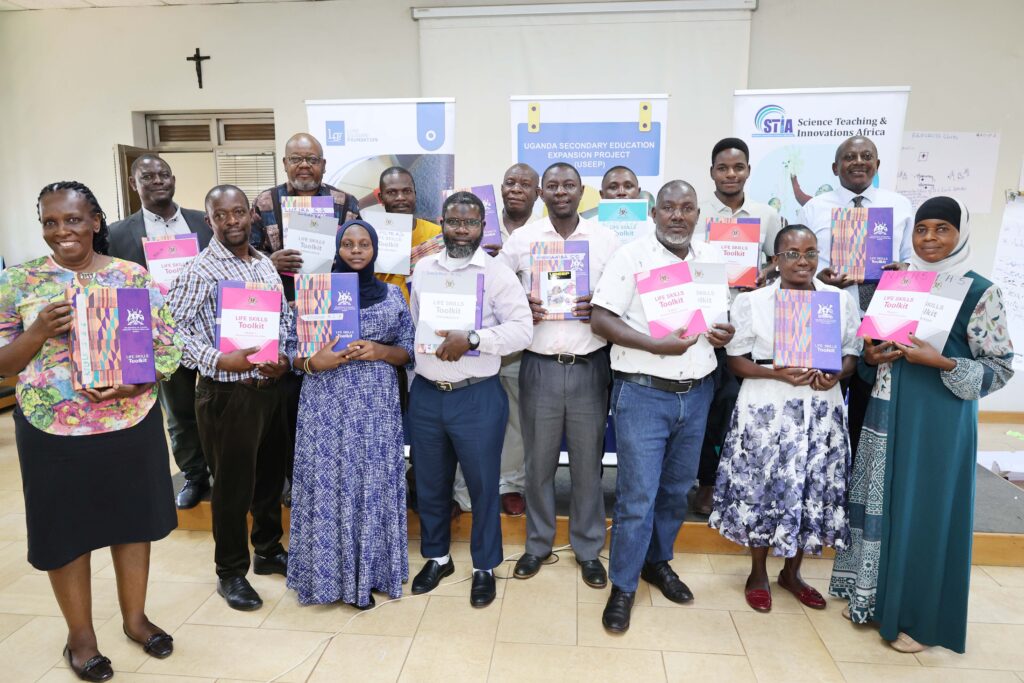
Participant voices
Winfred Tumuhairwe, Luzira SS
We learnt about transferrable skills, also known as life skills or soft skills and I was impressed. As long as a person has these skills, they can succeed in life, they can succeed at work, they can succeed anywhere if they are able to transfer these skills to whichever career they do.
Nakyondwa Frank Lubega, teacher Kansanga Seed Secondary School
We learnt about building life skills in learners. Soft skills such as building confidence, self-esteem and how to control emotions. A teacher talks to a learner, and the student barks at a teacher! Even at home, learners do not respect their parents. The child-parent relationship is not there. When learners learn these things through school, we shall even have stable homes.
Kigonya Stephen, club patron, Kololo SSS
Life skills are indeed important because they are going to help a learners know how to cope with stress and manage emotions. The conflict management skill can help a learner not to get in trouble through bad behaviour like fighting. Such skills help us to address the day-to-day challenges we meet in the society. As a teacher, I am grateful for the training. I am ready to share with my learners when I go back and my fellow teachers.
Stellah Wanyana, St. Denis Ssebugwawo, Prefects patron
I am very happy to have been part of this training on soft skills. We were well equipped to solve the many challenges of students at school. For example, we learnt how to deal with female students who might have a challenge of inferiority complex. Some girls might think sciences are for only boys.
You find that they don’t feel they have the ability to do sciences, but after having been introduced to soft skills such as identity and self-esteem, we will empower them to do sciences just like the boys.
Aisha Naggayi, Kololo High School, senior woman teacher
We have learned about different life skills that schools can use to help learners handle situations they face in life, whether socially, health-wise or in other areas.
One of the skills we have focused on is cooperation and teamwork. As teachers, we are expected to help learners understand how to cooperate and work with one another. Through the group activities we have been given during the training, learners are able to get to know one another better and learn how to work together.
We have also learned about empathy and respect. We realised that some of our learners are not very empathetic towards others. Sometimes this is because they come from different backgrounds and do not understand what other learners are going through.
Through life skills education, we can teach learners to have empathy for others and to put themselves in another person’s situation. They need to understand that they are not all at the same level, but that they can still support one another.
When we instil empathy in learners, they will begin to respect one another regardless of their background, physical appearance or the situation they may be in.
Waladde Abdulatif, Kansanga Seed Secondary School
In life there are so many challenges we meet as we go grow up or as we interact with our colleagues. The challenges actually start from school and because of inadequate training by our teachers, we continue struggling with those challenges. Those challenges are basically about life skills. Most times teachers focus on academic performance in schools but forget life skills which are actually fundamental for anyone to be successful in life. This training has been transformative for us too and we are inspired to be agents of change to the learners.