What a new study reveals about Primary, Secondary classrooms in West Nile and Karamoja
 Timothy Murungi
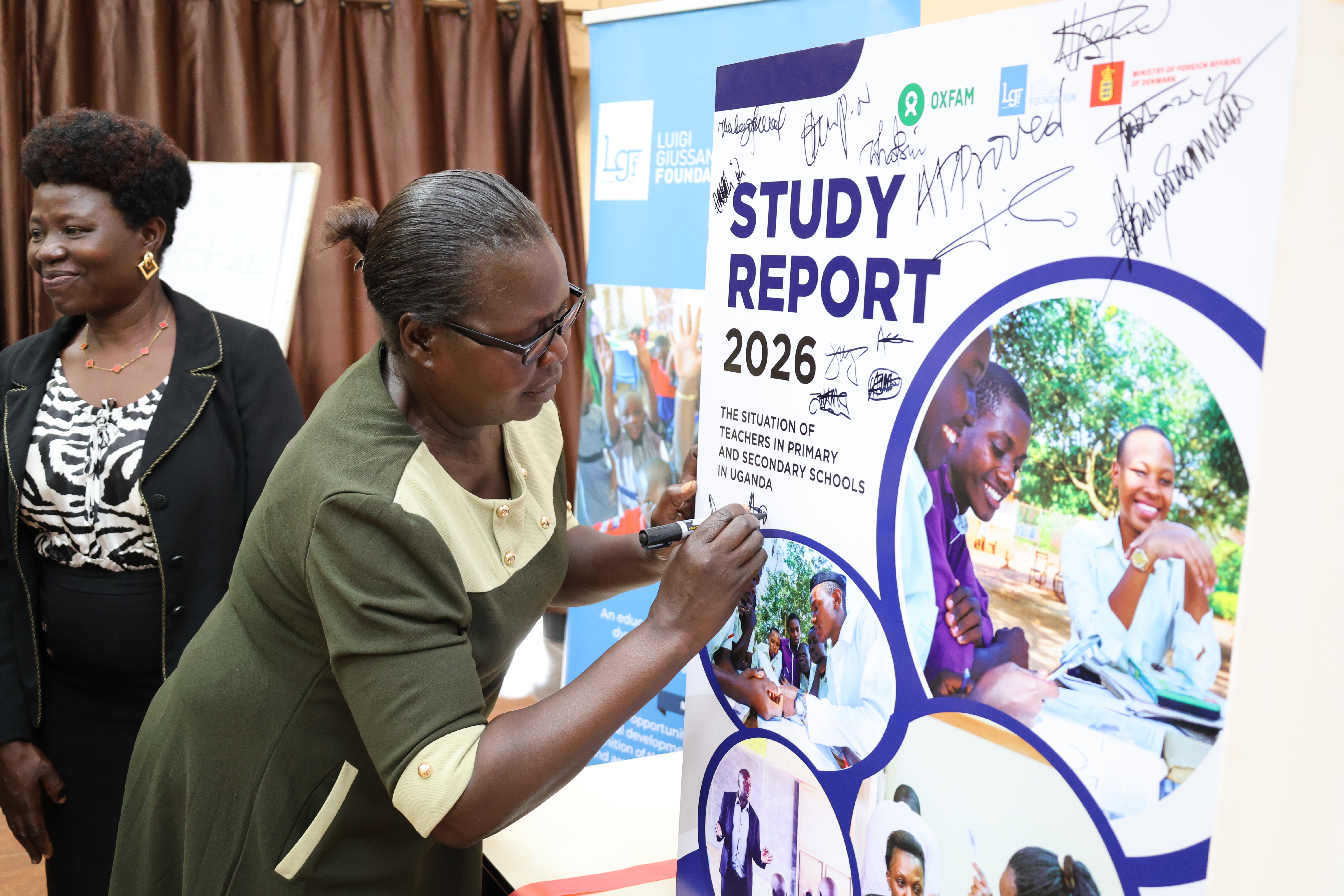
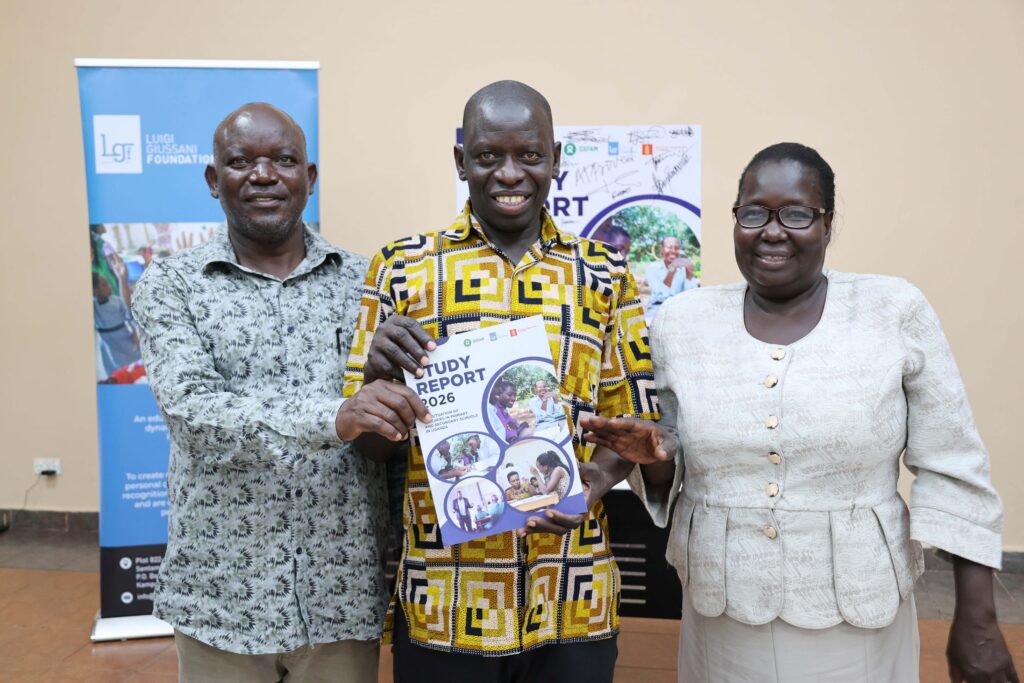
In the classrooms of West Nile and Karamoja, teachers are doing far more than delivering lessons. They mentor colleagues, counsel learners, navigate multilingual realities, and keep schools running amid resource constraints and the lingering effects of displacement. A new mixed-methods study by the Luigi Giussani Foundation (LGF), conducted with support from Oxfam in Uganda and funded through the Danish Ministry of Foreign Affairs via Oxfam Denmark, offers a detailed picture of their daily realities.
The study, carried out in July 2025 across six districts (Terego, Madi-Okollo, Yumbe, Amudat, Nakapiripirit and Nabilatuk), surveyed 1,716 teachers in 204 schools, observed 116 classrooms, and gathered insights through focus group discussions, interviews with headteachers, PTA/SMC/BOG representatives, and district education officials. It examined five interconnected dimensions: professional growth and wellbeing; child protection, wellbeing and inclusion; pedagogical practices; curriculum understanding and use; and language support strategies.
The findings show a committed teaching force with strong collegial cultures and promising practices, operating within structural, pedagogical and linguistic constraints that limit consistent delivery of inclusive, learner-centred education.
Building supportive professional environments
Teachers rated themselves highly on leadership, management and collaboration. Primary teachers scored an average of 4.54 on leadership and management and 4.56 on collaboration (on a 5-point scale). Secondary teachers scored similarly high (4.57 and 4.61). In both levels, practices such as induction, peer mentoring, joint planning and supportive supervision were widely described.
A male headteacher in Terego explained how new teachers are brought in: “We usually have a form of induction. For example, we have community teachers who don’t know how to prepare lessons. We attach them to experienced teachers so they can plan together. After developing a lesson plan, they implement it. Once the new teacher can manage, we let them work independently.”
A female teacher in Amudat described the tone of supervision: “The school has provided support supervision and monitoring, mostly during the teaching and learning. And after the supervision, there is a one-on-one between me and the supervisors on the areas for improvement and the areas of strength to affirm.”
At secondary level, collaboration often extended beyond instruction into emotional support. A male teacher in Nabilatuk shared: “Whenever we face challenges or issues at school, we usually come together to support one another. The person experiencing a problem is guided through it, and this collective support helps to restore emotional stability.”
Schools also offered practical welfare measures – meals, housing support, access to school gardens, modest allowances and savings groups. Yet these systems were often leadership-dependent or partner-supported and less consistently linked to structured instructional improvement. Professional development frequently remained informal, without clear progression pathways or systematic tracking of teaching quality.
Protecting children and inclusion
Teachers reported strong community relations skills (averages of 4.61 primary and 4.62 secondary). Schools maintained child protection committees, guidance structures, referral pathways to health facilities and local authorities, and regular engagement with parents and School Management Committees.
In Karamoja, some schools added routine health screening and menstrual hygiene mentoring. A female teacher in Nabilatuk described gender-sensitive work: “In gender-related issues, we have key health mentors among the boys. Their work is to give key messages on menstrual hygiene and management. They also encourage girls to stay in class even when they are on their menstrual periods… we now have an equal ratio of girls and boys entering classes.”
A male headteacher in Nabilatuk spoke of bursaries for vulnerable learners: “We engage such learners through provision of bursaries, like for those who are displaced or have lost their beloved ones. We have around nine to twelve who are sponsored in that way.”
Classroom observations confirmed deliberate efforts to balance participation of boys and girls and to seat learners with disabilities where they could see or hear better. Yet practices were uneven. Some lessons still showed unintentional gender favouritism, limited adaptation for learners with disabilities, and few opportunities for learners to critically examine gender stereotypes. Inclusive practice remained more accommodating than transformative.
Pedagogy in action: planning, classroom life, delivery and assessment
Teachers rated their pedagogical skills highly (overall mean 4.38 at both levels). Observations painted a more nuanced picture.
Most primary teachers (68.4%) arrived with both a scheme of work and a lesson plan; many secondary teachers (52.5%) did the same. Where documents existed, they usually aligned well with delivery. Yet a sizeable minority lacked plans entirely, and some teachers struggled to complete planned content within the time available.
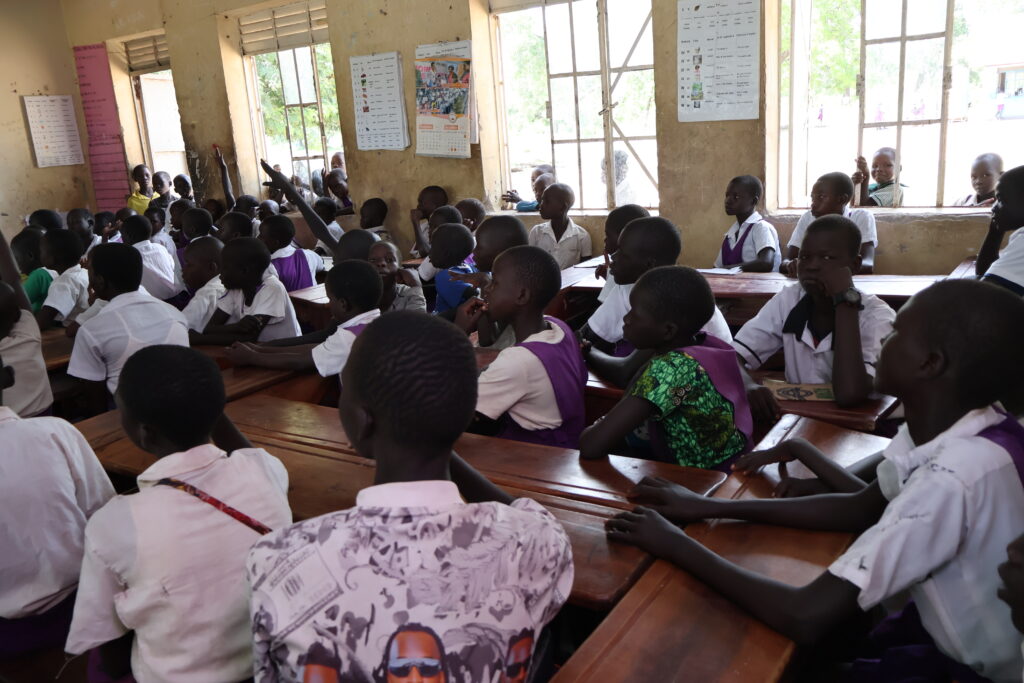
Classrooms were generally orderly and relationships warm. Teachers used questioning, movement, humour and positive reinforcement to sustain attention. One observer noted a Primary 5 classroom in Amudat that was “clean and organised in rows and columns for easy accessibility… free from dangerous conditions.” At the same time, overcrowding, broken furniture, dusty rooms and occasional harsh language or threats of corporal punishment undermined safety and trust in some settings – particularly in parts of West Nile.
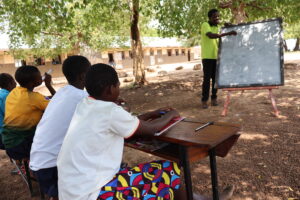
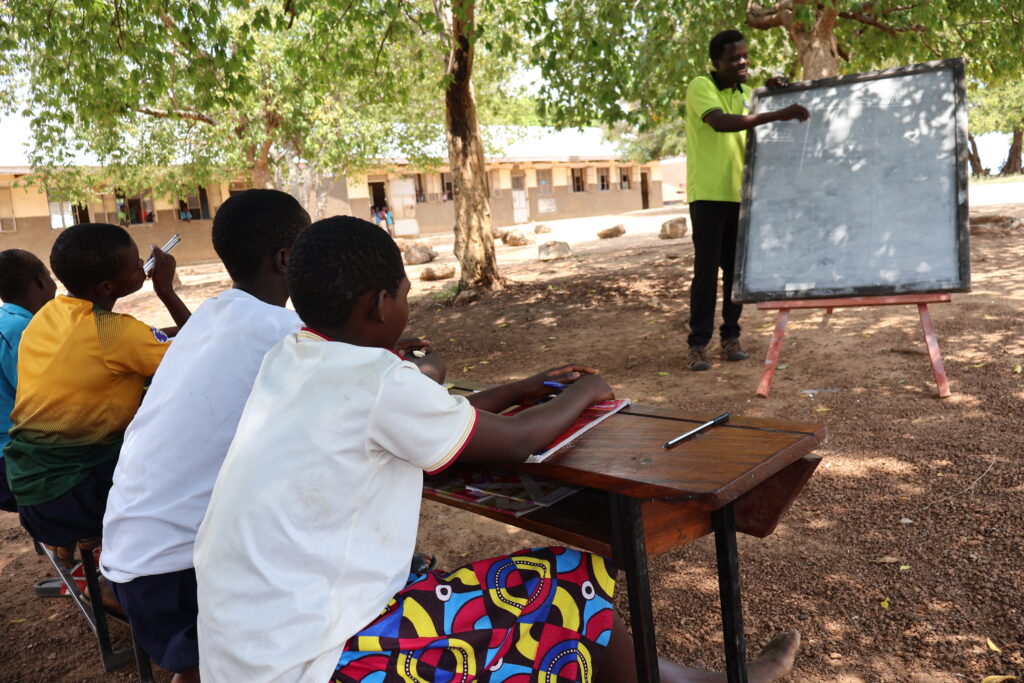
Delivery often combined chalkboard work, demonstrations and local materials (seeds, stones, real plants, charts). Group work appeared frequently at secondary level, yet groups were sometimes fixed across subjects and activities remained mechanical – copying from textbooks rather than genuine discussion. ICT use was minimal despite high self-reported access; digital tools rarely moved beyond the teacher’s personal phone.
Assessment mixed oral questioning, short exercises and end-of-topic tests. Immediate feedback and correction were common, and formal records for UNEB purposes were usually maintained. Daily classroom assessment results, however, were rarely recorded systematically, limiting teachers’ ability to track individual progress or plan targeted support. Questioning frequently stayed at the recall level.
Gender and inclusion efforts were visible but inconsistent. Teachers often alternated questions between boys and girls and adjusted seating for learners with disabilities. In one Senior 2 Physics lesson, a teacher deliberately invited a boy and a girl with disabilities to demonstrate a concept in front of the class. Elsewhere, girls were still steered into secretarial roles in groups while boys took leadership positions, and teachers rarely challenged these patterns.
Curriculum: Strong on paper, uneven in practice
Teachers demonstrated clear theoretical understanding of both the primary thematic curriculum and the secondary competence-based curriculum. They spoke knowledgeably about competencies, life skills, values, learner-centred approaches and continuous assessment. School-based workshops, peer mentorship and occasional external training reinforced this knowledge.
Yet classroom practice lagged. Many secondary teachers still leaned on textbooks and note dictation. Workloads of 30–40 periods per week left little time for preparation or reflection. Cascade training reached only a few teachers per school; others continued to rely on older methods. Scenario-based questions and project work remained difficult for many. One male teacher in Nabilatuk admitted: “Personally, I have not received enough training on it. Though I am sorry to admit this, I sometimes doubt whether Iam doing the right thing or the wrong thing.”
Resource gaps compounded the problem: delayed or missing textbooks, uncertain alignment of commercial materials with the curriculum, limited ICT infrastructure, and electricity shortages. Salary disparities between science and arts teachers further strained collaboration and morale.
Language: Bridging diversity, risking exclusion
Classrooms, especially in refugee-hosting areas, are highly multilingual. Teachers responded with pragmatic strategies – visual aids, gestures, peer translation, occasional use of local languages or Kiswahili, and simplified speech. A male teacher in Terego described a common approach: “We ask a learner who understands both English and the local language to translate for the others.”
Many schools, however, enforced strict English-only policies, sometimes with punitive measures such for learners caught speaking vernacular. Headteachers framed this as promoting unity and fairness. While the intention was inclusion, rigid enforcement risked silencing learners with weaker English proficiency and limiting comprehension – particularly in lower primary and among recently arrived refugee children.
Observations confirmed that supportive language scaffolding was applied unevenly. Lessons remained predominantly monolingual, leaving learners with limited English more vulnerable to confusion and disengagement.
Looking ahead
The study paints a picture of a resilient and collegial teaching force that has built informal support systems and promising practices under difficult conditions. Leadership is largely supportive rather than punitive. Female teachers, in particular, play a strong role in fostering collaboration and community relations. Child protection structures and efforts toward inclusion are active though uneven. Pedagogical foundations such as planning, relationship and basic assessment are present in many classrooms.
At the same time, structural constraints (overcrowding, staffing, materials, workload), incomplete adoption of competence-based approaches, residual use of fear-based discipline, limited systematic inclusion and gender-transformative practice, and insufficient language scaffolding prevent these strengths from translating consistently into high-quality learning for every child.
The findings point toward practical next steps: institutionalising structured peer reflection and mentoring; replacing corporal practices with positive discipline; expanding direct (not cascade-only) curriculum support with a focus on assessment, project work and planning; providing practical ICT and language-scaffolding training; ensuring timely access to aligned materials; addressing workload and staffing norms; and strengthening gender-balanced teacher deployment.
This study was made possible by the partnership between Luigi Giussani Foundation and Oxfam in Uganda, with funding from the Danish Ministry of Foreign Affairs through Oxfam Denmark.